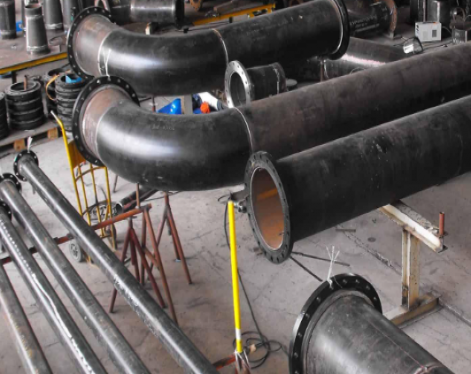
In the protection and application of metallic materials, hot-dip galvanized (HDG) steel plate, with their unique performance advantages, have become "invisible guardians" in fields such as construction, transportation, energy, and agriculture. Galvanized steel sheets can also be divided into cold-dip galvanized steel plates and hot-dip galvanized steel plates. Since its invention in the 19th century, hot-dip galvanizing technology has undergone a century of iteration, and has always maintained an irreplaceable position in the field of metal corrosion protection with its core competitiveness of "long-lasting protection + comprehensive performance".
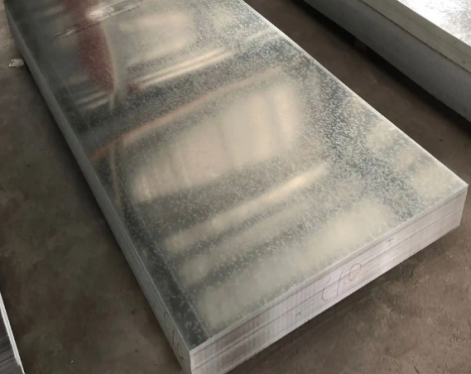
This structure endows it with corrosion resistance far exceeding other protection methods: Sacrificial anode protection: When the zinc layer is scratched or partially damaged, zinc acts as a "sacrificial anode," preferentially reacting with the corrosive medium (water, oxygen, salt), continuously protecting the internal steel substrate through electrochemical action and preventing "pitting corrosion spread";
Wide environmental adaptability: In harsh environments such as marine atmospheres (high salt spray), industrial pollution (sulfur-containing gases), and rural atmospheres (high humidity), the corrosion rate of hot-dip galvanized steel sheets is only 0.1-0.2 μm/year, and the outdoor service life can reach 20-50 years (as specified by the American ASTM A123 standard, 25 years of service life under C4 level environment [high salt spray]);
Data support: According to research by the International Zinc Association (IZA), the salt spray test (NSS) time of hot-dip galvanized steel sheets can reach 1000-3000 hours without red rust, which is 3-5 times that of electroplating zinc (100-500 hours) and 2-3 times that of cold spray zinc (200-800 hours).
Hot-dip galvanizing differs from "partial coverage" processes like painting and electroplating. It employs an "immersion" full-surface treatment: the steel sheet is completely immersed in molten zinc, ensuring that all areas, including edges, welds, and internal holes, are completely covered by a zinc layer, forming "no dead angles" of protection. This full-coverage feature effectively solves the shortcomings of traditional protection methods:
During painting or cold galvanizing, edges are prone to corrosion due to uneven coating. Hot-dip galvanizing, due to the "sagging effect," results in a thicker zinc layer at edges, providing stronger corrosion resistance.
Protection of Hidden Areas: For threads, holes, or irregularly shaped structures, hot-dip galvanizing ensures comprehensive protection of internal cavities and thread roots, preventing localized corrosion.
Case Support: In building steel structures, welds and bolt connections of hot-dip galvanized steel sheets have never experienced problems due to lack of protection, while weld areas in painted steel structures frequently corrode.
Ultra-long lifespan:Thick zinc layer (60-120μm) + zinc-iron alloy layer (metallurgical bond), outdoor corrosion rate is only 0.1-0.2μm/year. It withstands over 1000 hours of salt spray testing without rust, making it more than 3 times more durable than cold galvanizing. Suitable for coastal and industrial environments.
What is Hot-Dip Galvanized (HDG) Steel Plate?
Hot-Dip Galvanized (HDG) steel is made by dipping steel plates into a bath of molten zinc, which creates a thick coating that protects the base metal from corrosion. The coating is highly durable and offers excellent protection against harsh environmental factors such as moisture, salt, and chemicals. The zinc coating bonds with the steel, ensuring a long-lasting and corrosion-resistant surface.
Advantages of hot-dip galvanized (HDG) steel sheets
The "soul" of hot-dip galvanized steel sheets lies in the synergistic protection of its thick, uniform zinc layer and zinc-iron alloy layer. In the hot-dip galvanizing process, after pickling and fluxing, the steel sheet is immersed in molten zinc at temperatures above 450°C. The iron substrate and zinc undergo a metallurgical reaction, forming a double-layer structure of "alloy layer + pure zinc layer": the outer layer is a 60-120μm pure zinc layer (some standards can reach over 200μm), and the inner layer is a 5-15μm zinc-iron alloy layer (such as ζ phase or δ1 phase).This structure endows it with corrosion resistance far exceeding other protection methods: Sacrificial anode protection: When the zinc layer is scratched or partially damaged, zinc acts as a "sacrificial anode," preferentially reacting with the corrosive medium (water, oxygen, salt), continuously protecting the internal steel substrate through electrochemical action and preventing "pitting corrosion spread";
Wide environmental adaptability: In harsh environments such as marine atmospheres (high salt spray), industrial pollution (sulfur-containing gases), and rural atmospheres (high humidity), the corrosion rate of hot-dip galvanized steel sheets is only 0.1-0.2 μm/year, and the outdoor service life can reach 20-50 years (as specified by the American ASTM A123 standard, 25 years of service life under C4 level environment [high salt spray]);
Data support: According to research by the International Zinc Association (IZA), the salt spray test (NSS) time of hot-dip galvanized steel sheets can reach 1000-3000 hours without red rust, which is 3-5 times that of electroplating zinc (100-500 hours) and 2-3 times that of cold spray zinc (200-800 hours).
Hot-dip galvanizing differs from "partial coverage" processes like painting and electroplating. It employs an "immersion" full-surface treatment: the steel sheet is completely immersed in molten zinc, ensuring that all areas, including edges, welds, and internal holes, are completely covered by a zinc layer, forming "no dead angles" of protection. This full-coverage feature effectively solves the shortcomings of traditional protection methods:
During painting or cold galvanizing, edges are prone to corrosion due to uneven coating. Hot-dip galvanizing, due to the "sagging effect," results in a thicker zinc layer at edges, providing stronger corrosion resistance.
Protection of Hidden Areas: For threads, holes, or irregularly shaped structures, hot-dip galvanizing ensures comprehensive protection of internal cavities and thread roots, preventing localized corrosion.
Case Support: In building steel structures, welds and bolt connections of hot-dip galvanized steel sheets have never experienced problems due to lack of protection, while weld areas in painted steel structures frequently corrode.
Ultra-long lifespan:Thick zinc layer (60-120μm) + zinc-iron alloy layer (metallurgical bond), outdoor corrosion rate is only 0.1-0.2μm/year. It withstands over 1000 hours of salt spray testing without rust, making it more than 3 times more durable than cold galvanizing. Suitable for coastal and industrial environments.