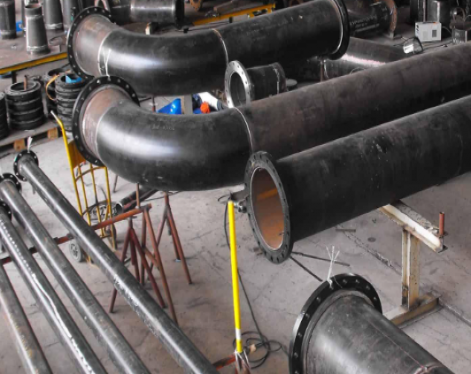
SCH 20 CS Seamless Pipe refers to a carbon steel seamless pipe manufactured according to the Schedule 20 wall thickness standard. Due to its thin-walled structure, good mechanical properties, and wide applicability, this type of pipe is widely used in water, gas, and light-duty industrial transportation systems.
In commonly used international standards, pipe dimensions and wall thickness are specified according to the ASME/ANSI B36.10 standard, while carbon steel materials are commonly found in steel pipe standards such as ASTM A106 and ASTM A53.
Schedule 20 pipes have thinner walls than higher Schedule pipes (such as SCH 40 and SCH 80), resulting in lighter overall weight and lower material consumption. They are suitable for low to medium pressure applications. According to the ANSI B36.10 standard, the wall thickness values for different nominal diameters of SCH 20 pipes are clearly defined for engineering design and selection.
2. Chemical Composition and Material
SCH 20 seamless carbon steel pipes are typically made from high-quality carbon structural steel (such as 20# steel commonly found in GB/T 8163, with a carbon content of approximately 0.17–0.24%). This type of steel has good toughness and machinability.
Typical chemical composition includes:
Carbon (C): approximately 0.17–0.24%
Trace elements such as silicon (Si) and manganese (Mn) improve strength and ductility.
Sulfur (S) and phosphorus (P) are controlled to very low levels to improve weldability and machinability.
3. Mechanical Properties
This seamless pipe exhibits excellent overall mechanical properties (such as tensile strength, yield strength, and ductility), while its smooth inner and outer surfaces facilitate smooth fluid transport and subsequent processing (such as welding and joining).
SCH 20 is often selected for economic efficiency where high pressure resistance is not required.
International Standards
ASME/ANSI B36.10 – Pipe dimensions and wall thickness
ASTM A106 – Seamless carbon steel pipe for high-temperature service
ASTM A53 – Carbon steel pipe for general fluid transmission
Regional and Equivalent Standards
EN / DIN standards in Europe
GB/T 8163 in China for fluid transportation
Compliance with these standards ensures consistent performance and global acceptance.
Widely used in water supply, drainage, cooling water, and general-purpose fluid pipelines where moderate pressure resistance and cost efficiency are required.
2.Industrial and Mechanical Piping
Applied in light industrial process piping, equipment connections, and mechanical systems due to its good machinability, weldability, and uniform seamless structure.
3.Structural and Fabrication Uses
Suitable for structural supports, frames, columns, and fabricated components in construction and infrastructure projects with non-critical load requirements.
4.HVAC and Utility Installations
Commonly used in HVAC systems, electrical conduit protection, and utility pipelines, offering easy installation, lightweight characteristics, and reliable long-term performance.
What is SCH 20 CS Seamless Pipe?
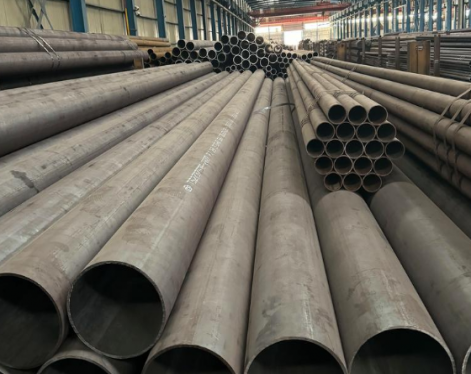
Carbon steel seamless pipe is manufactured by piercing, heating, and rolling a solid steel billet into a tubular shape without any welds. This results in better strength uniformity and overall mechanical properties. SCH (Schedule) indicates the wall thickness category, and SCH 20 represents a relatively thin wall thickness grade.In commonly used international standards, pipe dimensions and wall thickness are specified according to the ASME/ANSI B36.10 standard, while carbon steel materials are commonly found in steel pipe standards such as ASTM A106 and ASTM A53.
Features of SCH 20 Pipes
1. Wall Thickness and DimensionsSchedule 20 pipes have thinner walls than higher Schedule pipes (such as SCH 40 and SCH 80), resulting in lighter overall weight and lower material consumption. They are suitable for low to medium pressure applications. According to the ANSI B36.10 standard, the wall thickness values for different nominal diameters of SCH 20 pipes are clearly defined for engineering design and selection.
2. Chemical Composition and Material
SCH 20 seamless carbon steel pipes are typically made from high-quality carbon structural steel (such as 20# steel commonly found in GB/T 8163, with a carbon content of approximately 0.17–0.24%). This type of steel has good toughness and machinability.
Typical chemical composition includes:
Carbon (C): approximately 0.17–0.24%
Trace elements such as silicon (Si) and manganese (Mn) improve strength and ductility.
Sulfur (S) and phosphorus (P) are controlled to very low levels to improve weldability and machinability.
3. Mechanical Properties
This seamless pipe exhibits excellent overall mechanical properties (such as tensile strength, yield strength, and ductility), while its smooth inner and outer surfaces facilitate smooth fluid transport and subsequent processing (such as welding and joining).
SCH 20 vs Other Pipe Schedules
The schedule number indicates wall thickness, not material strength. A comparison highlights the differences:| Feature | SCH 20 | SCH 40 | SCH 80 |
| Wall thickness | Thin | Medium | Thick |
| Weight | Light | Moderate | Heavy |
| Pressure capacity | Low–medium | Medium | High |
| Cost | Lower | Medium | Higher |
| Typical use | General piping | Industrial piping | High-pressure system |
SCH 20 is often selected for economic efficiency where high pressure resistance is not required.
Applicable Standards and Specifications
To ensure quality, safety, and interchangeability, SCH 20 CS seamless pipes are produced and tested according to recognized standards:International Standards
ASME/ANSI B36.10 – Pipe dimensions and wall thickness
ASTM A106 – Seamless carbon steel pipe for high-temperature service
ASTM A53 – Carbon steel pipe for general fluid transmission
Regional and Equivalent Standards
EN / DIN standards in Europe
GB/T 8163 in China for fluid transportation
Compliance with these standards ensures consistent performance and global acceptance.
Common Applications of SCH 20 CS Seamless Pipe
1.Low-Pressure Fluid Transmission SystemsWidely used in water supply, drainage, cooling water, and general-purpose fluid pipelines where moderate pressure resistance and cost efficiency are required.
2.Industrial and Mechanical Piping
Applied in light industrial process piping, equipment connections, and mechanical systems due to its good machinability, weldability, and uniform seamless structure.
3.Structural and Fabrication Uses
Suitable for structural supports, frames, columns, and fabricated components in construction and infrastructure projects with non-critical load requirements.
4.HVAC and Utility Installations
Commonly used in HVAC systems, electrical conduit protection, and utility pipelines, offering easy installation, lightweight characteristics, and reliable long-term performance.