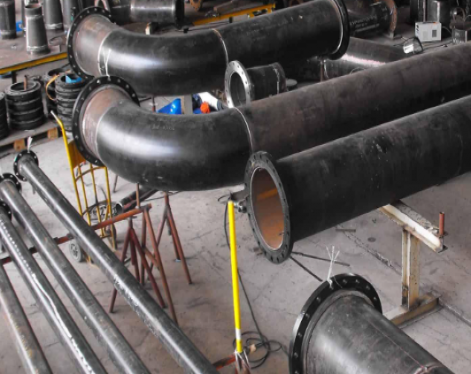
The biggest difference between Schedule 40 and Schedule 80 seamless black steel pipe is wall thickness and pressure capacity. Schedule 80 pipe has thicker walls, so it can handle higher pressure, stronger impact, and harsher industrial environments. In contrast, Schedule 40 pipe is lighter, more affordable, and better suited for standard water supply, plumbing, and low-pressure systems. Although both pipes share the same outside diameter, Schedule 80 has a smaller inside diameter because of its thicker wall structure.
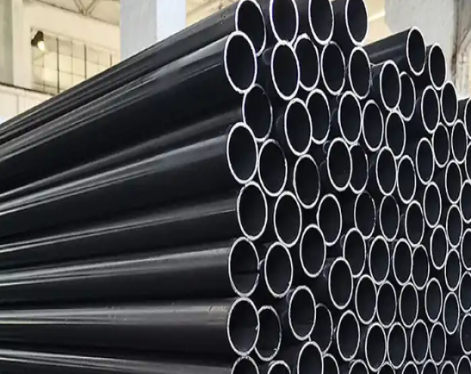
In short, for the same pipe diameter, Schedule 80 has thicker walls, is heavier, and can withstand higher pressure.
Here, "Schedule" (abbreviated Sch) represents the wall thickness grade. According to standards set by the American National Standards Institute (ANSI) and the Society of Mechanical Engineers (ASME) (such as ASME B36.10 and B36.19), for steel pipes of the same nominal size (NPS), the outer diameter (OD) remains constant; what varies is the thickness of the inner wall.
Sch 40 seamless black steel pipe: belongs to "Standard Weight". It is the most common all-rounder in industry, balancing strength and economy.
Sch 80 seamless black steel pipe: belongs to "Extra Strong". It features a 30%–50% increase in wall thickness compared to Sch 40, making it a reinforced version designed to withstand high-pressure and hazardous environments.
Because both are manufactured using a "seamless" process—directly pierced and rolled from solid steel billets without welds—they inherently possess excellent compressive strength and mechanical power.
Pressure Bearing Capacity
According to the circumferential stress formula for thin-walled cylinders, the pressure bearing capacity of a pipe is directly proportional to its wall thickness. In actual tests, under the same material conditions (such as ASTM A106 Grade B), the maximum permissible working pressure (MAWP) of Sch 80 is typically 50% higher or more than that of Sch 40. For example, a 4-inch Sch 40 carbon steel pipe has a room temperature pressure resistance of approximately 1200 PSI, while Sch 80 can reach over 1900 PSI.
Mechanical Resistance and Lifespan
The thick wall of Sch 80 is not only for pressure resistance but also for structural resistance. In environments prone to external impacts, vibrations, or underground burial, such as mines and heavy machinery environments, Sch 80 is better able to withstand physical shocks. Furthermore, in corrosive environments, the thick wall provides more "corrosion allowance," naturally extending its service life.
Flow Rate Influence
You can't have your cake and eat it too. With the increased wall thickness of Sch 80, the inner diameter is correspondingly reduced. At the same pumping power, the media flow capacity (flow rate) of Sch 80 is slightly less than that of Sch 40.
1. Pressure and temperature
If the system operates near or above 1500 PSI, or involves high-temperature steam, Schedule 80 is the safer choice. For normal water, gas, or oil at low pressure, Schedule 40 is usually sufficient.
2. Environment and durability needs
If the pipe is buried, exposed to impact, or carries corrosive fluids, Schedule 80 offers better long-term reliability. For controlled indoor or low-risk environments, Schedule 40 is generally adequate.
3. Cost vs lifetime value
Schedule 80 costs about 40–50% more but offers higher strength and longer service life. However, in low-demand systems, using it unnecessarily may increase cost without real benefit.
What Is Seamless Black Steel Pipe?
Seamless black steel pipe is produced from solid steel billets without welding seams. This manufacturing process creates a stronger and more uniform pipe body. The dark surface comes from an iron oxide layer formed during hot rolling production.
What Does Pipe Schedule Mean?
A pipe schedule (SCH) is a standard numbering system used to describe the wall thickness of a pipe. As the schedule number increases, the pipe wall becomes thicker, heavier, and more capable of handling high pressure. According to the ANSI/ASME B36.10M standard for carbon steel pipes, pipes with the same nominal size keep the same outside diameter (OD), while only the wall thickness changes.Schedule 40 vs Schedule 80 Seamless Black Steel Pipe Differences
Schedule 40 seamless black steel pipe is commonly selected for medium and low-pressure systems because it is lighter and easier to install. Schedule 80 pipe focuses more on industrial strength and long-term durability under high-pressure conditions.| Feature | Schedule 40 | Schedule 80 |
| Wall Thickness | Thinner | Thicker |
| Pressure Rating | Lower | Higher |
| Pipe Weight | Lighter | Heavier |
| Cost | Lower | Higher |
| Inside Diameter | Larger | Smaller |
| Flow Capacity | Better | Slightly lower |
| Durability | Standard | Higher |
What is the core difference between Sch 40 and Sch 80?
In short, for the same pipe diameter, Schedule 80 has thicker walls, is heavier, and can withstand higher pressure.Here, "Schedule" (abbreviated Sch) represents the wall thickness grade. According to standards set by the American National Standards Institute (ANSI) and the Society of Mechanical Engineers (ASME) (such as ASME B36.10 and B36.19), for steel pipes of the same nominal size (NPS), the outer diameter (OD) remains constant; what varies is the thickness of the inner wall.
Sch 40 seamless black steel pipe: belongs to "Standard Weight". It is the most common all-rounder in industry, balancing strength and economy.
Sch 80 seamless black steel pipe: belongs to "Extra Strong". It features a 30%–50% increase in wall thickness compared to Sch 40, making it a reinforced version designed to withstand high-pressure and hazardous environments.
Because both are manufactured using a "seamless" process—directly pierced and rolled from solid steel billets without welds—they inherently possess excellent compressive strength and mechanical power.
Schedule 40 vs Schedule 80 Seamless Black Steel Pipe Thickness and Dimensions
Even when two pipes share the same nominal pipe size, the wall thickness can vary significantly.| NPS | OD (mm) | SCH 40 WT (mm) | SCH 80 WT (mm) |
| 1/2" | 21.3 | 2.77 | 3.73 |
| 1" | 33.4 | 3.38 | 4.55 |
| 2" | 60.3 | 3.91 | 5.54 |
| 4" | 114.3 | 6.02 | 8.56 |
| 6" | 168.3 | 7.11 | 10.97 |
Performance differences between Schedule 80 and Schedule 40 Seamless Black Steel Pipes
Pressure Bearing CapacityAccording to the circumferential stress formula for thin-walled cylinders, the pressure bearing capacity of a pipe is directly proportional to its wall thickness. In actual tests, under the same material conditions (such as ASTM A106 Grade B), the maximum permissible working pressure (MAWP) of Sch 80 is typically 50% higher or more than that of Sch 40. For example, a 4-inch Sch 40 carbon steel pipe has a room temperature pressure resistance of approximately 1200 PSI, while Sch 80 can reach over 1900 PSI.
Mechanical Resistance and Lifespan
The thick wall of Sch 80 is not only for pressure resistance but also for structural resistance. In environments prone to external impacts, vibrations, or underground burial, such as mines and heavy machinery environments, Sch 80 is better able to withstand physical shocks. Furthermore, in corrosive environments, the thick wall provides more "corrosion allowance," naturally extending its service life.
Flow Rate Influence
You can't have your cake and eat it too. With the increased wall thickness of Sch 80, the inner diameter is correspondingly reduced. At the same pumping power, the media flow capacity (flow rate) of Sch 80 is slightly less than that of Sch 40.
How to Choose Between Schedule 40 and Schedule 80 Black Steel Pipes?
Choosing between Schedule 40 and Schedule 80 mainly comes down to balancing safety and cost. Follow these simplified steps:1. Pressure and temperature
If the system operates near or above 1500 PSI, or involves high-temperature steam, Schedule 80 is the safer choice. For normal water, gas, or oil at low pressure, Schedule 40 is usually sufficient.
2. Environment and durability needs
If the pipe is buried, exposed to impact, or carries corrosive fluids, Schedule 80 offers better long-term reliability. For controlled indoor or low-risk environments, Schedule 40 is generally adequate.
3. Cost vs lifetime value
Schedule 80 costs about 40–50% more but offers higher strength and longer service life. However, in low-demand systems, using it unnecessarily may increase cost without real benefit.