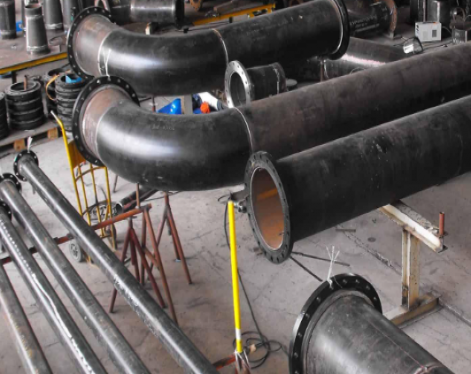
Pipe spools are prefabricated sections of piping that are widely used in different engineering systems. In simple terms, they are pre-built pipe assemblies that can be connected directly during installation. Because they save time on-site and improve installation accuracy, pipe spools are now used in many industries where piping systems are required.
In practice, pipe spools help simplify the layout of household pipelines. Instead of assembling pipes piece by piece on-site, prefabricated spool sections are installed directly, which reduces installation errors and improves overall sealing performance. This makes them suitable for clean water systems where reliability and hygiene are important.
In many industrial environments, production processes also generate waste gases and liquids that must be safely discharged. Pipe spool systems are designed to handle these continuous and often complex flows.
Because industrial plants often face limited space, high pressure, and strict safety requirements, prefabricated pipe spools are preferred. They are manufactured in controlled conditions and then assembled on-site, which helps reduce installation time and improves consistency. In long-distance pipeline projects such as oil and gas transportation, spool systems are divided into multiple sections with different sizes and configurations depending on the terrain and pressure requirements.
Industrial Pipe Spool Overview
The materials used in these environments must meet strict hygiene and safety standards. Stainless steel is commonly selected because it is stable, easy to clean, and compatible with medical environments. Pipe spools in this field are not as large or complex as in industrial use, but they still play an important role in maintaining stable and safe system operation.
They are also commonly used in shipbuilding and refinery construction, where complex piping layouts must be installed within limited space. In these cases, prefabricated spool sections help reduce on-site welding and improve overall construction efficiency.
Construction Pipe Spool Overview
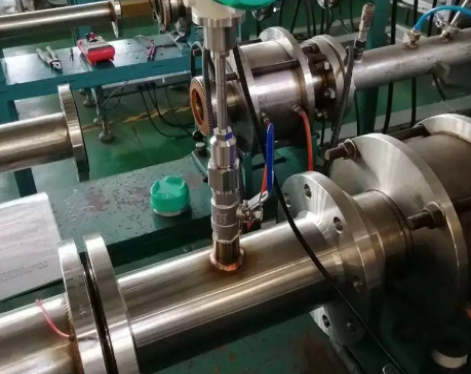
In modern engineering practice, pipe spool systems have become a standard solution for both simple and highly complex piping networks.
1. Household Applications of Pipe Spools
In residential buildings, pipe spools are mainly used in water supply and drainage systems. Most home piping systems today use stainless steel materials because they are more resistant to corrosion and last longer compared to traditional materials.In practice, pipe spools help simplify the layout of household pipelines. Instead of assembling pipes piece by piece on-site, prefabricated spool sections are installed directly, which reduces installation errors and improves overall sealing performance. This makes them suitable for clean water systems where reliability and hygiene are important.
2. Industrial Applications of Pipe Spools
Industrial usage is where pipe spools are most widely applied. Factories and processing plants rely heavily on piping systems to transport liquids, gases, steam, and chemical substances.In many industrial environments, production processes also generate waste gases and liquids that must be safely discharged. Pipe spool systems are designed to handle these continuous and often complex flows.
Because industrial plants often face limited space, high pressure, and strict safety requirements, prefabricated pipe spools are preferred. They are manufactured in controlled conditions and then assembled on-site, which helps reduce installation time and improves consistency. In long-distance pipeline projects such as oil and gas transportation, spool systems are divided into multiple sections with different sizes and configurations depending on the terrain and pressure requirements.
Industrial Pipe Spool Overview
| Item | Description |
| Usage environment | Factories, refineries, energy systems |
| Main transported media | Oil, gas, chemicals, waste fluids |
| Material types | Carbon steel, stainless steel |
| Installation method | Prefabricated modular assembly |
| Key advantage | High efficiency and reduced on-site work |
3. Medical Applications of Pipe Spools
In the medical industry, pipe spools are used in systems where precision and cleanliness are essential. Hospitals and laboratories rely on piping systems for gas delivery, fluid transfer, and equipment support.The materials used in these environments must meet strict hygiene and safety standards. Stainless steel is commonly selected because it is stable, easy to clean, and compatible with medical environments. Pipe spools in this field are not as large or complex as in industrial use, but they still play an important role in maintaining stable and safe system operation.
4. Construction Applications of Pipe Spools
In construction projects, pipe spools are used both as functional piping systems and as structural components. In building foundations, steel pipes can be used to improve load-bearing capacity when the ground conditions are weak. In large infrastructure projects such as bridges, tunnels, and industrial facilities, pipe spool systems are used to support water, fuel, and utility transport networks.They are also commonly used in shipbuilding and refinery construction, where complex piping layouts must be installed within limited space. In these cases, prefabricated spool sections help reduce on-site welding and improve overall construction efficiency.
Construction Pipe Spool Overview
| Application | Role |
| Building structures | Structural reinforcement |
| Infrastructure | Utility and fluid transport |
| Shipbuilding | Fuel and water systems |
| Refineries | Complex piping networks |
5. Summary
Pipe spools are used across many industries because they make piping installation more efficient and controlled. Whether in residential buildings, industrial plants, medical facilities, or large construction projects, their main advantage is the same: reducing on-site work while improving accuracy and reliability.In modern engineering practice, pipe spool systems have become a standard solution for both simple and highly complex piping networks.