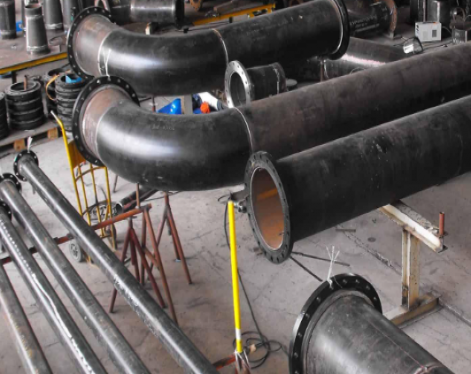
In industrial piping, a spool piece (or pipe spool) is a prefabricated segment consisting of pipes, flanges, fittings, and sometimes valves or instruments. Instead of performing all cutting, fitting, and welding on-site, these modules are assembled in a controlled workshop environment and then shipped to the field for final installation.
Choosing the right spool piece is critical because it directly impacts safety, budget, installation speed, and long-term reliability. A poorly chosen spool can lead to leaks, corrosion failures, or logistical nightmares where a perfectly manufactured piece simply cannot fit through a doorway or hatch.
This method reduces field welding work and improves overall installation quality because fabrication is controlled in a stable environment.
First, determine the working environment of the pipeline. The medium must be clearly identified, whether it is water, oil, gas, slurry, or chemical fluid. You also need to check whether the medium is corrosive, abrasive, toxic, flammable, or explosive.
2: Select Compatible Material
Material selection must match or remain fully compatible with the connected pipe system. Carbon steel is commonly used for general oil, gas, and water systems due to its strength. Stainless steel is preferred in corrosive or sanitary environments.
3: Choose the Correct Spool Type
Spool type selection depends on the pipeline function. A straight spool is used when only pipe extension is required.
4: Select the Connection Method
Connection method affects strength, maintenance, and installation flexibility. Butt welding is the most common option in high-pressure and high-temperature systems because it provides strong and leak-resistant joints.
5: Verify Standards and Final Compatibility
Before finalizing selection, all spool pieces must comply with engineering standards and project specifications. Material certificates, pressure ratings, and temperature limits must be checked carefully.
Choosing the right spool piece is critical because it directly impacts safety, budget, installation speed, and long-term reliability. A poorly chosen spool can lead to leaks, corrosion failures, or logistical nightmares where a perfectly manufactured piece simply cannot fit through a doorway or hatch.
What Are Pipe Spool Pieces?
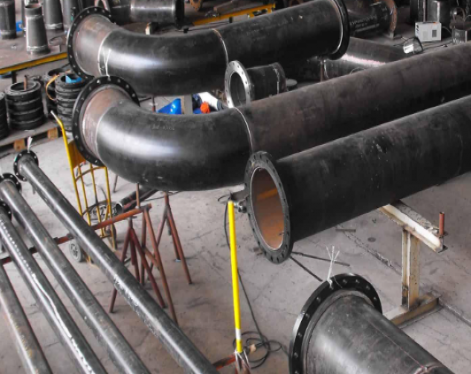
A pipe spool piece is a prefabricated section of piping that includes pipes and fittings such as elbows, reducers, tees, and flanges. These components are assembled in a fabrication workshop and then transported to the site for installation.This method reduces field welding work and improves overall installation quality because fabrication is controlled in a stable environment.
How to Choose Spool Pieces?
1uate Operating ConditionsFirst, determine the working environment of the pipeline. The medium must be clearly identified, whether it is water, oil, gas, slurry, or chemical fluid. You also need to check whether the medium is corrosive, abrasive, toxic, flammable, or explosive.
2: Select Compatible Material
Material selection must match or remain fully compatible with the connected pipe system. Carbon steel is commonly used for general oil, gas, and water systems due to its strength. Stainless steel is preferred in corrosive or sanitary environments.
3: Choose the Correct Spool Type
Spool type selection depends on the pipeline function. A straight spool is used when only pipe extension is required.
4: Select the Connection Method
Connection method affects strength, maintenance, and installation flexibility. Butt welding is the most common option in high-pressure and high-temperature systems because it provides strong and leak-resistant joints.
5: Verify Standards and Final Compatibility
Before finalizing selection, all spool pieces must comply with engineering standards and project specifications. Material certificates, pressure ratings, and temperature limits must be checked carefully.
Pipe Spool Selection Comparison Table
| Selection Factor | Options |
| Operating Medium | Water, Oil, Gas, Chemical |
| Material | Carbon steel, Stainless steel, Alloy steel, PVC/HDPE |
| Spool Type | Straight, Elbow, Reducer, Tee/Cross |
| Connection | Butt weld, Flange, Threaded |
| Standard | ASME, ASTM, ISO, EN |