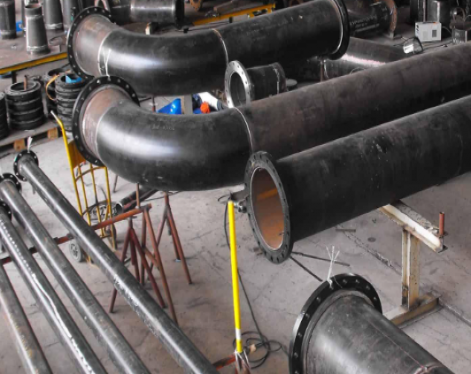
ASTM A213/A213M is a standard specification for seamless ferritic and austenitic alloy steel boiler, superheater, and heat exchanger tubes, established by the American Society for Testing and Materials (ASTM). This standard covers seamless ferritic and austenitic alloy steel boiler tubes, superheater tubes, and heat exchanger tubes, including grades such as T5, TP304, T11, T12, T22, T91, and T92. These steel tubes are widely used in high-temperature and high-pressure equipment in industries such as power generation, petrochemicals, and nuclear power.
The standard specifies that grades containing the letter "H" in their designation (such as TP304H, TP316H) have different requirements than similar grades without "H," providing higher creep rupture strength than is typically achievable. The steel tubes shall be manufactured using a seamless process and may be hot-finished or cold-finished, with the TP347HFG grade specifically requiring a cold-finishing process.
Boilers
Superheaters
Heat exchangers
High-temperature pressure equipment
These tubes are manufactured using hot finishing or cold drawing processes, ensuring precise dimensional control and superior surface quality.
Products shall comply with the requirements of TSG D7002 Pressure Piping Components Type Testing Rules.
Product Specifications: Outer diameter 21.3~760mm, Wall thickness: 2.0~130mm
Manufacturing Method: Hot rolling, cold drawing, hot expanding, Delivery condition: Heat treated.
ASTM A213 T11 Seamless Steel Tube Chemical Composition: Carbon: 0.05~0.15, Manganese: 0.30~0.60, Phosphorus: ≤0.025, Sulfur: ≤0.025, Silicon: 0.5~1.0, Chromium: 1.0~1.5, Molybdenum: 0.44~0.62
A213 T11 Alloy Tube Tensile Strength ≥415 MPa, Yield Strength ≥205 MPa, Elongation after fracture ≥30%
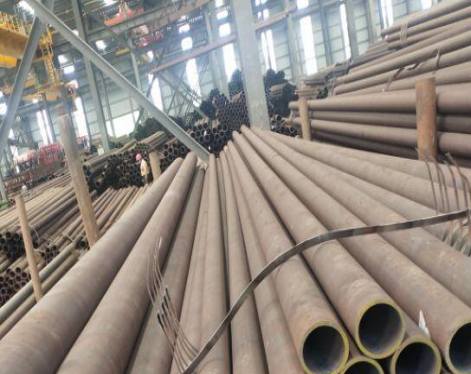
Ferritic Alloy Steel Grades
T2 – Good resistance to moderate temperature and pressure
T5 – Improved oxidation resistance
T9 – Chromium-molybdenum alloy for elevated temperatures
T11 – Enhanced creep strength
T12 – Balanced strength and corrosion resistance
T22 – Widely used in power plant boilers
T91 – High-strength alloy for ultra-supercritical boilers
ASTM A213 boiler tubes are divided into several grades based on the content of alloying elements and the application temperature range. Taking the T11 grade as an example, its chemical composition requirements are: Carbon (C) 0.05-0.15%, Silicon (Si) 0.50-1.00%, Manganese (Mn) 0.30-0.60%, Phosphorus (P) ≤0.025%, Sulfur (S) ≤0.025%, Chromium (Cr) 1.00-1.50%, Molybdenum (Mo) 0.44-0.65%. This precise alloy ratio enables the steel tubes to exhibit excellent stability in working environments below 580℃, with high-temperature strength approximately 40% higher than ordinary carbon steel tubes, and more than three times the resistance to steam oxidation.
The T91 grade, as a high-performance martensitic heat-resistant steel, has a more complex chemical composition: Chromium (Cr) 8.0-9.5%, Molybdenum (Mo) 0.85-1.05%, Vanadium (V) 0.18-0.25%, Niobium (Nb) 0.06-0.10%, Nitrogen (N) 0.03-0.07%. This alloy design maintains excellent mechanical properties even in high-temperature environments above 600℃, with a tensile strength ≥585MPa, yield strength ≥415MPa, and elongation ≥20%.
ASTM A213 is the material standard by ASTM International.
ASME SA213 is the boiler code designation for compliance with ASME Boiler and Pressure Vessel Code Section II.
Both ensure quality, testing, and dimensional standards.
Selecting the correct ASTM A213 grade ensures operational safety, efficiency, and long-term performance, making it one of the most trusted boiler tube standards in the global market.
The standard specifies that grades containing the letter "H" in their designation (such as TP304H, TP316H) have different requirements than similar grades without "H," providing higher creep rupture strength than is typically achievable. The steel tubes shall be manufactured using a seamless process and may be hot-finished or cold-finished, with the TP347HFG grade specifically requiring a cold-finishing process.
Scope of ASTM A213 Standard
The ASTM A213 specification covers seamless ferritic and austenitic alloy steel tubes designed for use in:Boilers
Superheaters
Heat exchangers
High-temperature pressure equipment
These tubes are manufactured using hot finishing or cold drawing processes, ensuring precise dimensional control and superior surface quality.
ASTM A213 Boiler Tubes
Standard: ASTM A213/A213M Standard Specification for Seamless Ferritic and Austenitic Alloy-Steel Boiler, Superheater, and Heat-Exchanger TubesProducts shall comply with the requirements of TSG D7002 Pressure Piping Components Type Testing Rules.
Product Specifications: Outer diameter 21.3~760mm, Wall thickness: 2.0~130mm
Manufacturing Method: Hot rolling, cold drawing, hot expanding, Delivery condition: Heat treated.
ASTM A213 T11 Seamless Steel Tube Chemical Composition: Carbon: 0.05~0.15, Manganese: 0.30~0.60, Phosphorus: ≤0.025, Sulfur: ≤0.025, Silicon: 0.5~1.0, Chromium: 1.0~1.5, Molybdenum: 0.44~0.62
A213 T11 Alloy Tube Tensile Strength ≥415 MPa, Yield Strength ≥205 MPa, Elongation after fracture ≥30%
Chemical Composition of ASTM A213 Boiler Tubes
ASTM A213 includes multiple grades to meet different operating conditions. The most commonly used grades include:Ferritic Alloy Steel Grades
T2 – Good resistance to moderate temperature and pressure
T5 – Improved oxidation resistance
T9 – Chromium-molybdenum alloy for elevated temperatures
T11 – Enhanced creep strength
T12 – Balanced strength and corrosion resistance
T22 – Widely used in power plant boilers
T91 – High-strength alloy for ultra-supercritical boilers
| Grade | C (%) | Mn (%) | Si (%) | Cr (%) | Mo (%) | V (%) | Nb (%) |
| T2 | 0.10–0.20 | 0.30–0.61 | 0.10–0.30 | 0.50–0.81 | 0.44–0.65 | — | — |
| T5 | ≤0.15 | 0.30–0.60 | ≤0.50 | 4.00–6.00 | 0.45–0.65 | — | — |
| T11 | ≤0.15 | 0.30–0.60 | 0.50–1.00 | 1.00–1.50 | 0.44–0.65 | — | — |
| T22 | 0.05–0.15 | 0.30–0.60 | ≤0.50 | 1.90–2.60 | 0.87–1.13 | — | — |
| T91 | 0.08–0.12 | 0.30–0.60 | 0.20–0.50 | 8.00–9.50 | 0.85–1.05 | 0.18–0.25 | 0.06–0.10 |
| T92 | 0.07–0.13 | 0.30–0.60 | ≤0.50 | 8.50–9.50 | 0.30–0.60 | 0.15–0.25 | 0.04–0.09 |
ASTM A213 boiler tubes are divided into several grades based on the content of alloying elements and the application temperature range. Taking the T11 grade as an example, its chemical composition requirements are: Carbon (C) 0.05-0.15%, Silicon (Si) 0.50-1.00%, Manganese (Mn) 0.30-0.60%, Phosphorus (P) ≤0.025%, Sulfur (S) ≤0.025%, Chromium (Cr) 1.00-1.50%, Molybdenum (Mo) 0.44-0.65%. This precise alloy ratio enables the steel tubes to exhibit excellent stability in working environments below 580℃, with high-temperature strength approximately 40% higher than ordinary carbon steel tubes, and more than three times the resistance to steam oxidation.
The T91 grade, as a high-performance martensitic heat-resistant steel, has a more complex chemical composition: Chromium (Cr) 8.0-9.5%, Molybdenum (Mo) 0.85-1.05%, Vanadium (V) 0.18-0.25%, Niobium (Nb) 0.06-0.10%, Nitrogen (N) 0.03-0.07%. This alloy design maintains excellent mechanical properties even in high-temperature environments above 600℃, with a tensile strength ≥585MPa, yield strength ≥415MPa, and elongation ≥20%.
ASTM A213 vs ASME SA213
ASTM A213 and ASME SA213 are equivalent specifications.ASTM A213 is the material standard by ASTM International.
ASME SA213 is the boiler code designation for compliance with ASME Boiler and Pressure Vessel Code Section II.
Both ensure quality, testing, and dimensional standards.
Conclusion
ASTM A213 boiler tubes are a critical component in modern boiler and heat exchange systems, offering exceptional strength, thermal stability, and corrosion resistance. With a wide range of alloy steel and stainless steel grades, this standard meets the demanding requirements of power plants, petrochemical facilities, and industrial boilers worldwide.Selecting the correct ASTM A213 grade ensures operational safety, efficiency, and long-term performance, making it one of the most trusted boiler tube standards in the global market.