FOLLOW US

News
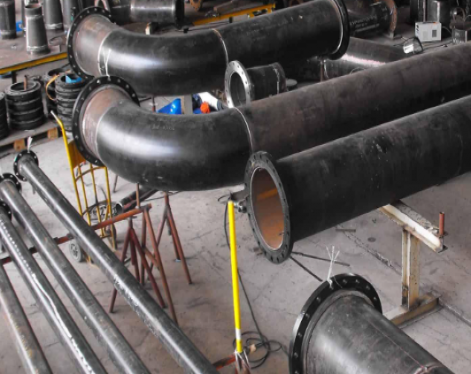
Seamless steel pipes are called "seamless" because of their integrated forming process of skew rolling piercing + rolling/drawing. However, it is precisely this high-temperature, large-deformation manufacturing process that makes fluctuations in geometric dimensions such as outer diameter, wall thickness, ovality, and curvature almost unavoidable.
Read more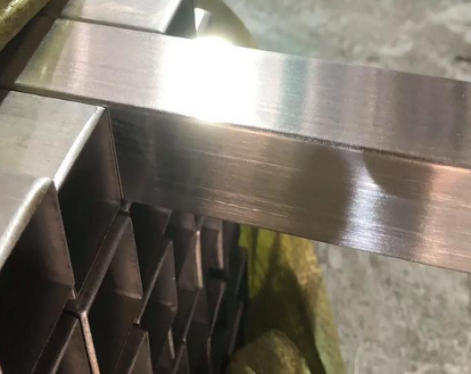
Schedule 40 galvanized square tubing combines strong structural performance with excellent corrosion resistance. Because of its balanced wall thickness and zinc-coated surface, this type of steel tubing remains one of the most widely used materials in construction, infrastructure, machinery, fencing, and outdoor fabrication projects. In addition, many contractors and industrial buyers prefer Sche...
Read more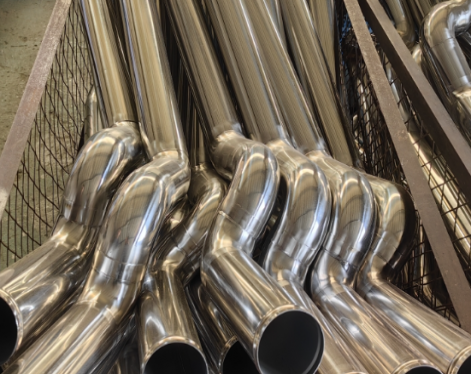
Mechanical tubing refers to tubing used to bear mechanical loads, transmit power, or form mechanical structures—such as drive shafts, hydraulic cylinder barrels, machine tool frame support tubes, bearing sleeves, and ball screw bushings.
Read more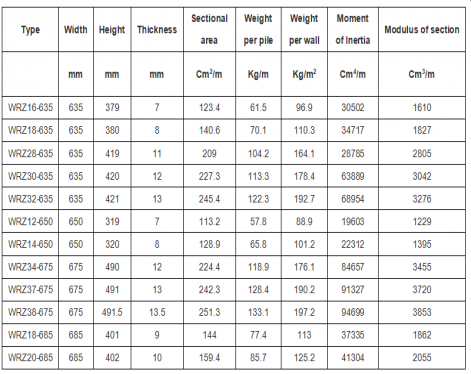
Steel sheet piles are steel structural profiles with interlocking edges, which are driven or vibrated into the soil one by one to form a continuous retaining wall.
Read more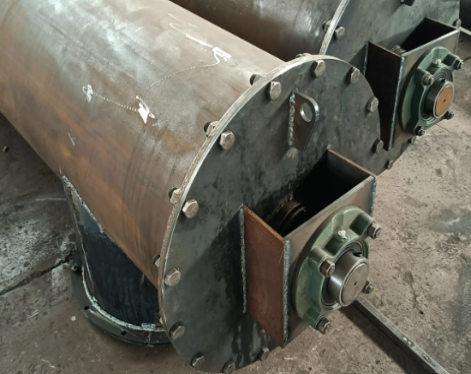
Choosing the right Mechanical Tube plays a critical role in product performance, structural safety, manufacturing efficiency, and long-term operating costs. Mechanical tubing appears in automotive parts, construction equipment, agricultural machinery, industrial frames, hydraulic systems, furniture, and precision engineering projects.
Read more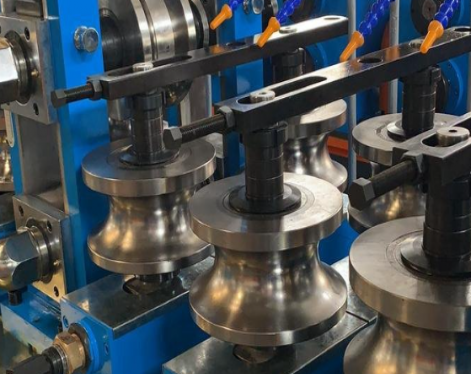
Common Materials Used for Mechanical Tubes include carbon steel, alloy steel, stainless steel, aluminum alloy, titanium alloy, and copper tubes. Each material offers different advantages in strength, corrosion resistance, weight, and temperature performance. Therefore, manufacturers select Mechanical Tube materials according to operating conditions, pressure requirements, and industrial applications.
Read moreINQUIRY HERE