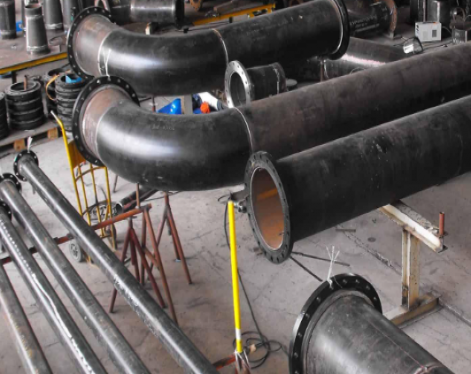
Common Materials Used for Mechanical Tubes include carbon steel, alloy steel, stainless steel, aluminum alloy, titanium alloy, and copper tubes. Each material offers different advantages in strength, corrosion resistance, weight, and temperature performance. Therefore, manufacturers select Mechanical Tube materials according to operating conditions, pressure requirements, and industrial applications.
What Are Mechanical Tubes?
Mechanical Tubes are precision steel tubes used for engineering, structural, hydraulic, and mechanical applications. Unlike standard pipes designed mainly for fluid transportation, Mechanical Tubes focus on dimensional accuracy, wall thickness consistency, strength, machinability, and surface finish.
What are the types of mechanical tubes?
Mechanical tubes mainly include carbon steel tubes, alloy steel tubes, stainless steel tubes, aluminum alloy tubes, titanium alloy tubes, and copper tubes. Carbon steel tubes offer good strength and cost efficiency for general machinery applications. Alloy steel tubes provide higher strength and heat resistance for heavy-duty equipment. Stainless steel tubes deliver excellent corrosion resistance in chemical and marine environments. Meanwhile, aluminum alloy and titanium alloy tubes reduce weight while maintaining strong mechanical performance. Copper tubes are widely used in heat transfer and electrical systems because of their excellent thermal and electrical conductivity.
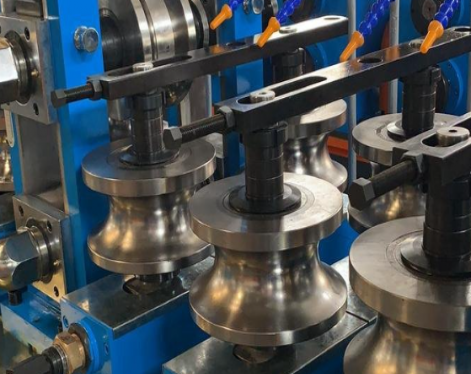
Carbon Steel Mechanical Tubes
Why Carbon Steel Mechanical Tubes Are Widely Used
Carbon steel Mechanical Tubes remain one of the most commonly used materials in industrial manufacturing. First, carbon steel offers excellent strength and toughness. Second, it supports easy machining, welding, and forming processes. In addition, the material provides competitive production costs.
Because of these advantages, carbon steel tubes are widely used in hydraulic cylinders, structural frames, mechanical parts, and low- to medium-pressure systems.
Common Standards for Carbon Steel Mechanical Tubes
Alloy Steel Mechanical Tubes
Improved Strength and Heat Resistance
Alloy steel Mechanical Tubes contain alloying elements such as chromium, molybdenum, vanadium, and nickel. These elements significantly improve strength, hardness, wear resistance, and thermal stability.
Common Alloy Steel Standards
Stainless Steel Mechanical Tubes
Stainless steel Mechanical Tubes provide outstanding resistance against rust, oxidation, and chemical corrosion. Therefore, industries operating in humid, chemical, or high-temperature environments often choose stainless steel materials.In addition, stainless steel maintains good appearance and structural stability over long periods.
Advantages of Stainless Steel Tubes
Excellent corrosion resistance
Long service life
High temperature resistance
Smooth surface finish
Easy cleaning and maintenance
Aluminum Alloy Mechanical Tubes
Aluminum alloy Mechanical Tubes are widely used where lightweight structures are important. Compared with steel, aluminum significantly reduces total equipment weight.Therefore, many automotive and aerospace manufacturers prefer aluminum alloy tubing.
Copper Mechanical Tubes
Copper Mechanical Tubes provide superior thermal conductivity and electrical conductivity. Because of these characteristics, manufacturers often use copper tubes in HVAC systems, refrigeration equipment, and electrical engineering.
Conclusion
Different Mechanical Tube materials support different industrial requirements. Carbon steel remains the most economical solution for general engineering applications. Stainless steel delivers excellent corrosion resistance for chemical and marine environments. Alloy steel performs well in high-temperature and high-pressure systems. Meanwhile, aluminum alloy and titanium alloy reduce overall equipment weight for aerospace and automotive industries. Copper tubes continue playing an important role in heat transfer and electrical systems.
Therefore, selecting the correct Mechanical Tube material according to operating conditions, corrosion exposure, pressure requirements, and service life expectations ensures better safety, durability, and long-term industrial performance.
What Are Mechanical Tubes?
Mechanical Tubes are precision steel tubes used for engineering, structural, hydraulic, and mechanical applications. Unlike standard pipes designed mainly for fluid transportation, Mechanical Tubes focus on dimensional accuracy, wall thickness consistency, strength, machinability, and surface finish.
What are the types of mechanical tubes?
Mechanical tubes mainly include carbon steel tubes, alloy steel tubes, stainless steel tubes, aluminum alloy tubes, titanium alloy tubes, and copper tubes. Carbon steel tubes offer good strength and cost efficiency for general machinery applications. Alloy steel tubes provide higher strength and heat resistance for heavy-duty equipment. Stainless steel tubes deliver excellent corrosion resistance in chemical and marine environments. Meanwhile, aluminum alloy and titanium alloy tubes reduce weight while maintaining strong mechanical performance. Copper tubes are widely used in heat transfer and electrical systems because of their excellent thermal and electrical conductivity.
Carbon Steel Mechanical Tubes
Why Carbon Steel Mechanical Tubes Are Widely Used
Carbon steel Mechanical Tubes remain one of the most commonly used materials in industrial manufacturing. First, carbon steel offers excellent strength and toughness. Second, it supports easy machining, welding, and forming processes. In addition, the material provides competitive production costs.
Because of these advantages, carbon steel tubes are widely used in hydraulic cylinders, structural frames, mechanical parts, and low- to medium-pressure systems.
Common Standards for Carbon Steel Mechanical Tubes
| Standard | Description |
| ASTM A513 | Mechanical tubing for industrial applications |
| ASTM A519 | Seamless carbon and alloy steel mechanical tubing |
| ASTM A106 | High-temperature seamless carbon steel pipe |
| ASTM A179 | Heat exchanger and condenser tubes |
| ASTM A192 | High-pressure boiler tubes |
| ASTM A210 | Medium and high-pressure boiler tubes |
Alloy Steel Mechanical Tubes
Improved Strength and Heat Resistance
Alloy steel Mechanical Tubes contain alloying elements such as chromium, molybdenum, vanadium, and nickel. These elements significantly improve strength, hardness, wear resistance, and thermal stability.
Common Alloy Steel Standards
| Standard | Common Grades |
| ASTM A213 | T1, T2, T5, T9, T11, T22, T91 |
| ASTM A335 | P1, P5, P9, P11, P22, P91 |
| ASTM A519 | 4130, 4140 alloy tubing |
Stainless Steel Mechanical Tubes
Stainless steel Mechanical Tubes provide outstanding resistance against rust, oxidation, and chemical corrosion. Therefore, industries operating in humid, chemical, or high-temperature environments often choose stainless steel materials.In addition, stainless steel maintains good appearance and structural stability over long periods.
Advantages of Stainless Steel Tubes
Excellent corrosion resistance
Long service life
High temperature resistance
Smooth surface finish
Easy cleaning and maintenance
Aluminum Alloy Mechanical Tubes
Aluminum alloy Mechanical Tubes are widely used where lightweight structures are important. Compared with steel, aluminum significantly reduces total equipment weight.Therefore, many automotive and aerospace manufacturers prefer aluminum alloy tubing.
Copper Mechanical Tubes
Copper Mechanical Tubes provide superior thermal conductivity and electrical conductivity. Because of these characteristics, manufacturers often use copper tubes in HVAC systems, refrigeration equipment, and electrical engineering.
Conclusion
Different Mechanical Tube materials support different industrial requirements. Carbon steel remains the most economical solution for general engineering applications. Stainless steel delivers excellent corrosion resistance for chemical and marine environments. Alloy steel performs well in high-temperature and high-pressure systems. Meanwhile, aluminum alloy and titanium alloy reduce overall equipment weight for aerospace and automotive industries. Copper tubes continue playing an important role in heat transfer and electrical systems.
Therefore, selecting the correct Mechanical Tube material according to operating conditions, corrosion exposure, pressure requirements, and service life expectations ensures better safety, durability, and long-term industrial performance.