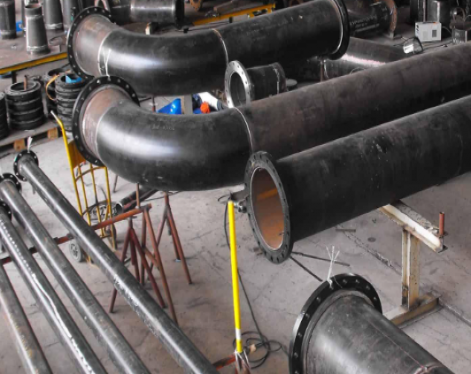
Galvanized square tubing is widely used in construction, fencing, structural fabrication, agricultural equipment, and outdoor engineering because of its excellent corrosion resistance and long service life. However, choosing the right specification and using it correctly are critical to ensuring durability, safety, and cost efficiency. Understanding the key considerations before installation can help reduce maintenance costs and improve overall project performance.
High-quality galvanized square tubing should comply with international standards such as ASTM A500, ASTM A53, EN10219, BS1387, and JIS standards to ensure reliable strength, dimensional accuracy, and corrosion resistance for structural and industrial applications.
1. Clean the galvanized square tubing end: Remove all debris from the socket.
2. Clean and install the rubber ring: Clean any adhering material from the rubber ring. Bend the rubber ring into a "plum blossom" or figure-eight shape and insert it into the socket groove. Press the entire rubber ring down by hand or tap it firmly with a rubber mallet to ensure it is evenly seated without warping or twisting.
3. Apply lubricant to the outer surface of the spigot and the rubber ring: Apply lubricant evenly to the inner surface of the installed rubber ring on the socket. When applying lubricant to the outer surface of the spigot, ensure the entire spigot area outside the spigot line is covered.
4. Laying Galvanized Square Tubes: The square steel tubes should be lowered to the bottom of the trench according to the requirements, usually using manual or mechanical methods.
5. Installing Equipment: Install the prepared equipment in place, taking care not to re-contaminate the cleaned galvanized square tube areas.
6. Pushing the Square Steel Tube into the Socket: During installation, to facilitate easier and smoother insertion of the spigot into the socket, first place the spigot into the socket and press it against the rubber ring inside the socket. Connect the wire rope and chain hoist, and tighten the chain hoist until the spigot is fully inserted into the socket. A gap of approximately 2mm should be left between the spigot and the socket, and ensure that the distance from the outer edge of the socket to the rubber ring is consistent around all four sides.
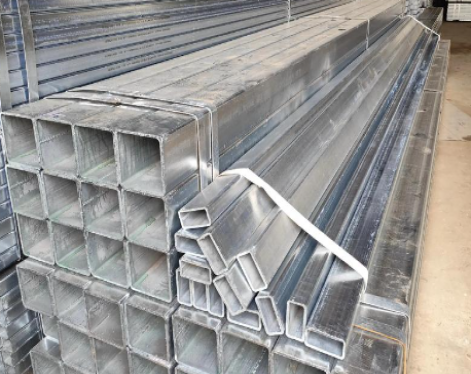
Important precautions include:
1.Use suitable cutting tools to minimize coating damage.
2.Apply zinc-rich paint or anti-corrosion coating after processing.
3.Avoid excessive grinding on galvanized surfaces.
Clean welding slag and oxidation immediately after fabrication.
Proper post-processing treatment significantly extends the lifespan of galvanized steel tubing.
High-quality galvanized square tubing should comply with international standards such as ASTM A500, ASTM A53, EN10219, BS1387, and JIS standards to ensure reliable strength, dimensional accuracy, and corrosion resistance for structural and industrial applications.
Considerations for Using Galvanized Square Tubing
Galvanized square tubing is widely used, but construction companies typically conduct a visual inspection of the pipes fittings, and rubber rings before installation. Any defective products should be discarded. Here are some usage precautions:1. Clean the galvanized square tubing end: Remove all debris from the socket.
2. Clean and install the rubber ring: Clean any adhering material from the rubber ring. Bend the rubber ring into a "plum blossom" or figure-eight shape and insert it into the socket groove. Press the entire rubber ring down by hand or tap it firmly with a rubber mallet to ensure it is evenly seated without warping or twisting.
3. Apply lubricant to the outer surface of the spigot and the rubber ring: Apply lubricant evenly to the inner surface of the installed rubber ring on the socket. When applying lubricant to the outer surface of the spigot, ensure the entire spigot area outside the spigot line is covered.
4. Laying Galvanized Square Tubes: The square steel tubes should be lowered to the bottom of the trench according to the requirements, usually using manual or mechanical methods.
5. Installing Equipment: Install the prepared equipment in place, taking care not to re-contaminate the cleaned galvanized square tube areas.
6. Pushing the Square Steel Tube into the Socket: During installation, to facilitate easier and smoother insertion of the spigot into the socket, first place the spigot into the socket and press it against the rubber ring inside the socket. Connect the wire rope and chain hoist, and tighten the chain hoist until the spigot is fully inserted into the socket. A gap of approximately 2mm should be left between the spigot and the socket, and ensure that the distance from the outer edge of the socket to the rubber ring is consistent around all four sides.
Avoid Damaging the Zinc Coating During Processing
During cutting, drilling, or welding, the galvanized layer may become damaged. Exposed steel areas can rust quickly if not treated properly.Important precautions include:
1.Use suitable cutting tools to minimize coating damage.
2.Apply zinc-rich paint or anti-corrosion coating after processing.
3.Avoid excessive grinding on galvanized surfaces.
Clean welding slag and oxidation immediately after fabrication.
Proper post-processing treatment significantly extends the lifespan of galvanized steel tubing.