FOLLOW US

News
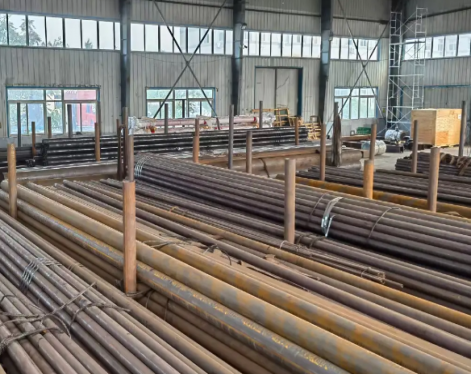
A common question in construction and metalworking is: does carbon steel rust? The answer is yes. Carbon steel will rust when it is exposed to moisture and oxygen over time. However, the rate of corrosion depends on environmental conditions and how well the material is protected.
Read more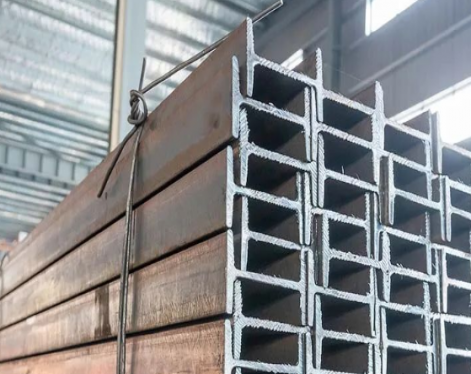
H-beams are one of the most widely used structural steel profiles in building structures and steel structure engineering. Each beam is heavy and has a narrow, tall "H"-shaped cross-section. Improper storage can lead to surface corrosion, increasing later rust removal costs, or even lateral bending deformation and overturning accidents, directly affecting structural safety and construction quality.
Read more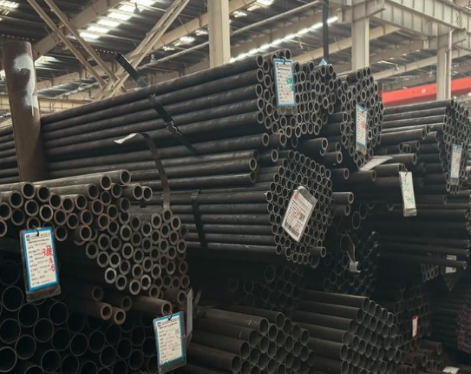
Selecting the right boiler tubes plays a critical role in boiler efficiency, safety, and service life. Among the most widely used carbon steel boiler tubes, ASTM A178 and ASTM A179 often appear in industrial projects. However, many engineers and buyers struggle to understand the differences between these two specifications.Although both standards serve heat transfer applications, they differ signi...
Read more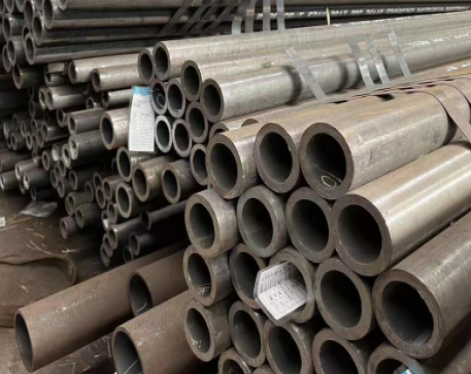
Boiler tubes are critical pressure-bearing components in thermal power plants, industrial boilers, petrochemical heating furnaces, and waste heat recovery systems, operating under high temperature and high pressure (even alternating loads) conditions for extended periods.
Read more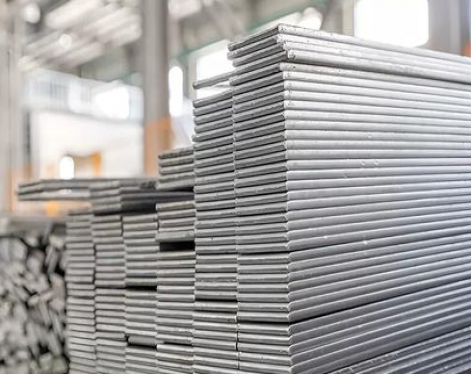
Mild steel flat bars are one of the most versatile and widely used steel products in modern construction and metal fabrication. Engineers, fabricators, and manufacturers rely on them because they combine strength, affordability, and excellent workability in a single material.
Read more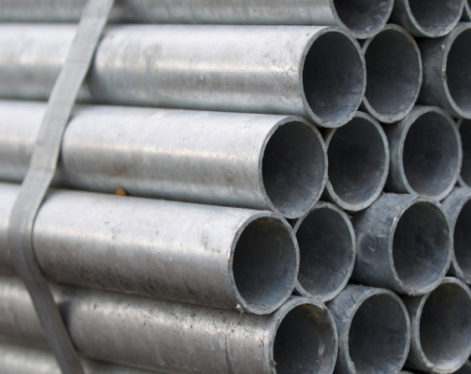
White rust, also known in the industry as "wet storage stain," refers to the white or grayish-white powdery or waxy corrosion products that occur when the zinc layer on the surface of hot-dip galvanized steel pipes corrodes abnormally due to prolonged exposure to a humid and poorly ventilated environment during storage or transportation.
Read moreINQUIRY HERE